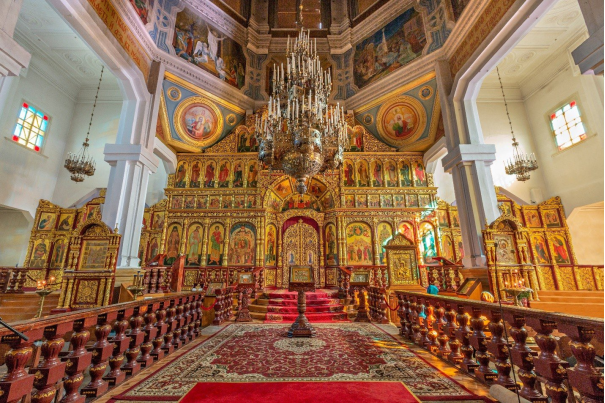
Reinventing Hospitality: Where Architecture Meets Experience in Modern Hotel Design

Introduction & Background
In today’s fast-evolving world, the hospitality industry stands at a crossroads where tradition meets innovation. Hotels are no longer just places to sleep but destinations that shape memorable experiences. The fusion of architecture and hospitality design has become a driving force behind this transformation. Modern travelers seek more than comfort, they crave uniqueness, sustainability, and emotional connections. This shift has given rise to a new era of hotel design, where buildings themselves tell stories and create atmospheres that linger in guests’ minds long after they check out. By blending cutting-edge architecture with immersive guest experiences, the hospitality sector is redefining luxury and accessibility for all. The significance of this trend lies in its ability to merge functionality with artistry, ensuring that every stay becomes part of a larger narrative.
Concept & Overview
Reinventing hospitality through architecture and experience design revolves around the idea of creating spaces that engage all the senses while fulfilling practical needs. It is about crafting environments that reflect local culture, environmental consciousness, and technological advancements. At its core, this concept prioritizes the guest journey, from arrival to departure, ensuring each interaction is thoughtful and intentional. Designers and architects collaborate closely to break away from conventional layouts, opting instead for fluid, adaptable spaces that encourage exploration and relaxation. The goal is to design hotels that feel like extensions of their surroundings, whether nestled in a bustling city or perched in a quiet mountain landscape. This holistic approach not only enhances guest satisfaction but also strengthens brand identity and loyalty.
Key Features & Highlights
- Sustainable Design Elements: Modern hotel designs integrate eco-friendly materials, energy-efficient systems, and green spaces to minimize environmental impact. Features like rooftop gardens, solar panels, and water recycling systems are becoming standard in forward-thinking properties.
- Biophilic Architecture: The incorporation of natural elements such as wood, stone, and plants helps reduce stress and improve well-being. Large windows, open-air atriums, and indoor waterfalls blur the lines between indoor and outdoor spaces.
- Technology Integration: Smart rooms with automated lighting, climate control, and voice-activated assistants enhance convenience. High-speed connectivity and digital concierge services cater to the tech-savvy traveler while maintaining a seamless experience.
- Local Cultural Immersion: Hotels are embracing regional art, cuisine, and traditions by collaborating with local artisans and chefs. This not only supports communities but also offers guests an authentic taste of their destination.
- Flexible and Multi-functional Spaces: Lobby areas now serve as co-working hubs, social lounges, or event venues. Rooms are designed to adapt to different needs, with modular furniture and movable partitions allowing for personalized layouts.
- Wellness-Centric Design: Spas, meditation rooms, and fitness centers are designed as sanctuaries for relaxation. Natural light, calming color palettes, and soundproofing create environments conducive to rest and rejuvenation.
Frequently Asked Questions / Pros & Cons
What are the main benefits of combining architecture with hospitality in hotel design?
Combining architecture with hospitality creates spaces that are not only visually stunning but also highly functional. Architectural design enhances guest experiences by making environments intuitive and immersive. It allows hotels to stand out in a competitive market, attract a broader audience, and foster long-term guest loyalty. Additionally, thoughtful design can improve operational efficiency, reduce maintenance costs, and align with sustainability goals.
How do hotels balance aesthetics with practical functionality in their design?
Achieving this balance requires close collaboration between architects, interior designers, and hospitality experts. Functional spaces, such as efficient room layouts and intuitive navigation, are prioritized without compromising on aesthetic appeal. For instance, multi-purpose areas can be designed to look sleek while serving multiple roles. The use of durable, high-quality materials ensures longevity, and modular designs allow for future adaptability without sacrificing style.
What challenges do designers face when reinventing hospitality through architecture?
One of the primary challenges is aligning creative vision with budget constraints. High-end materials and innovative technologies can drive up costs, making it difficult to implement ideas consistently across properties. Another challenge is meeting diverse guest expectations, from business travelers to families, each requiring different amenities and layouts. Additionally, regulatory and safety standards often impose limitations on design freedom, necessitating careful planning and compliance.
Is sustainable design in hotels more expensive to implement?
While sustainable design may involve higher upfront costs due to specialized materials and systems, it often leads to long-term savings. Energy-efficient buildings reduce utility bills, water conservation systems lower consumption, and durable materials minimize replacement expenses. Moreover, eco-friendly hotels appeal to environmentally conscious travelers, potentially increasing occupancy rates and brand value. Over time, the investment pays off both financially and reputationally.
How important is technology in modern hotel design?
Technology plays a crucial role in enhancing guest convenience and operational efficiency. Features such as mobile check-ins, keyless room entry, and smart thermostats streamline processes and reduce human error. However, technology should complement rather than overshadow the human touch. Personal interactions with staff and thoughtful design elements remain essential for creating meaningful guest experiences.
Practical Guidance & Solutions
For hotel owners and designers looking to embrace this trend, starting with a clear vision is essential. Begin by identifying the hotel’s unique selling points and target audience. Collaborate with architects and designers who specialize in hospitality to ensure every detail aligns with the guest experience. Prioritize sustainability by incorporating energy-efficient systems and locally sourced materials to reduce environmental impact and operating costs.
Invest in technology that enhances rather than complicates the guest journey. Implement systems that guests can easily navigate, and provide training for staff to assist with any technological challenges. Consider the flexibility of spaces by designing multi-functional areas that can adapt to changing needs, such as converting a lobby into an event space during peak seasons.
To differentiate your property, focus on creating immersive local experiences. Partner with local artists, chefs, and guides to offer authentic activities and amenities. This not only enriches the guest experience but also supports the community. Finally, continuously gather feedback from guests and staff to refine and improve the design, ensuring it remains relevant and appealing over time.
Conclusion
The future of hospitality lies in the hands of those who dare to innovate and reimagine what a hotel can be. By merging architecture with experience design, modern hotels are transcending their traditional roles to become destinations in their own right. These spaces not only provide shelter but also inspire, rejuvenate, and connect people from all walks of life. As sustainability and technology continue to shape the industry, the most successful properties will be those that embrace change while staying true to their core values of comfort and hospitality. The journey of reinventing hospitality is ongoing, and with each new design, the boundaries of what is possible are pushed even further. For travelers and designers alike, this evolution promises a world where every stay is not just a moment in time, but a story worth remembering.