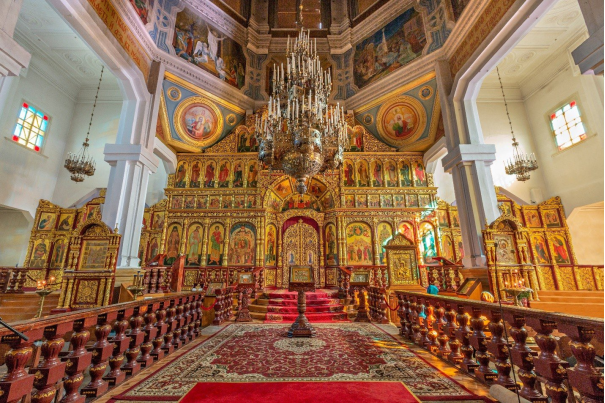
Elevate Your Stay: Where Art, Comfort, and Storytelling Collide in Modern Hotel Design

Introduction & Background
In the ever-evolving world of hospitality, modern hotel design is no longer just about providing a place to sleep. It has transformed into an immersive experience where art, comfort, and storytelling converge to create unforgettable stays. Guests today seek more than mere accommodation. They crave environments that evoke emotion, spark curiosity, and tell a unique story. This shift has given rise to a new wave of hotels that blend aesthetics with functionality, transforming spaces into works of art that resonate on a personal level.
The significance of this trend cannot be overstated. As travelers become more discerning and their expectations rise, hoteliers must adapt to meet these demands. Art and storytelling in hotel design are not just decorative elements. They serve as powerful tools to differentiate brands, foster emotional connections, and enhance guest satisfaction. By integrating these elements thoughtfully, hotels can elevate their offerings from ordinary to extraordinary, ensuring that every stay becomes a memorable journey.
Concept & Overview
Modern hotel design that incorporates art, comfort, and storytelling revolves around creating holistic experiences. It is about curating environments where every detail contributes to a cohesive narrative. The concept goes beyond visual appeal. It involves selecting materials, textures, and artworks that align with the hotel’s identity and the local culture. Comfort remains a priority, but it is now paired with elements that engage the senses and stimulate the mind.
At its core, this design philosophy emphasizes authenticity. It encourages hotels to draw inspiration from their surroundings, whether it is a bustling city, a serene coastal town, or a historic village. By weaving local art, history, and traditions into the design, hotels can offer guests a deeper connection to the place they are visiting. This approach not only enhances the guest experience but also supports local artists and communities, creating a sustainable and meaningful impact.
Key Features & Highlights
- Curated Art Collections: Hotels are collaborating with local and international artists to feature unique artworks throughout their spaces. These collections often reflect the hotel’s theme or the local culture, providing guests with visually stimulating surroundings that spark conversation and contemplation.
- Storytelling Through Design: Every corner of the hotel tells a part of a larger narrative. From the lobby to the guest rooms, design elements such as furniture, lighting, and decor are chosen to convey a story. This could be the history of the building, the story of the neighborhood, or the creative vision of the designer.
- Immersive Local Experiences: Guests are offered opportunities to engage with the local culture through art workshops, guided tours, or curated dining experiences. These activities allow travelers to immerse themselves in the destination’s heritage, making their stay more enriching and memorable.
- Thoughtful Comfort: While art and storytelling take center stage, comfort is never compromised. Hotels invest in high-quality mattresses, ergonomic furniture, and advanced climate control systems. The goal is to ensure that guests feel both inspired and relaxed during their stay.
- Sustainable and Ethical Practices: Many modern hotels prioritize sustainability by using eco-friendly materials, supporting fair-trade art, and minimizing waste. This approach aligns with the values of conscious travelers who seek responsible and ethical hospitality options.
Frequently Asked Questions / Pros & Cons
What makes modern hotel design with art and storytelling different from traditional hotel design?
Traditional hotel design often focuses solely on functionality and aesthetics, prioritizing comfort and convenience. In contrast, modern hotel design with art and storytelling aims to create a holistic experience. It integrates art, local culture, and narrative elements to evoke emotions and foster connections. This approach transforms hotels into destinations in their own right, offering guests a deeper and more meaningful stay.
How do hotels choose the artworks and stories that define their spaces?
Hotels typically collaborate with curators, artists, and local experts to select artworks and develop narratives that align with their brand identity and the destination’s culture. The process involves extensive research, site visits, and discussions to ensure that the chosen elements resonate with the hotel’s vision and the expectations of its guests. The goal is to create a cohesive and authentic experience that feels both personal and immersive.
Does incorporating art and storytelling increase the cost of hotel design?
Yes, integrating high-quality art and storytelling elements can increase the initial design and construction costs. However, this investment often pays off in the long run. Unique and authentic design elements can differentiate a hotel from its competitors, attract a loyal customer base, and justify premium pricing. Additionally, supporting local artists and sustainable practices can enhance the hotel’s reputation and appeal to conscious travelers.
What are the potential drawbacks of this design approach?
One potential drawback is the challenge of balancing art and storytelling with functionality. Overly artistic or abstract designs may not appeal to all guests, and poorly curated narratives can feel forced or irrelevant. Another concern is the risk of overwhelming guests with too much information or sensory stimulation. Hotels must strike a delicate balance to ensure that their design enhances the guest experience rather than detracting from it.
How can smaller or boutique hotels adopt this design philosophy without breaking the bank?
Boutique hotels and smaller properties can adopt this design philosophy by focusing on local collaborations and sustainable practices. Partnering with emerging local artists, using reclaimed materials, and incorporating community stories into the design can create an authentic and engaging experience without significant financial investment. Additionally, hotels can leverage digital storytelling through apps or QR codes to share narratives and art highlights, reducing the need for physical installations.
Practical Guidance & Solutions
For hoteliers looking to embrace this design philosophy, the first step is to define the hotel’s unique story and identity. Start by researching the local culture, history, and artistic traditions. Identify what makes the location special and how that can be reflected in the design. Collaborate with local artists, historians, and designers to bring this vision to life. Their expertise can help ensure that the art and storytelling elements feel authentic and cohesive.
Next, focus on selecting artworks and design elements that enhance comfort and functionality. While art is a key feature, it should never compromise the guest experience. Choose high-quality, durable materials that are easy to maintain. Invest in ergonomic furniture, advanced lighting systems, and climate control solutions to ensure that guests feel both inspired and relaxed.
To make the storytelling aspect more engaging, consider creating interactive experiences for guests. This could include guided tours of local art installations, workshops where guests can create their own artwork, or dining experiences that highlight regional flavors and traditions. These activities not only enrich the guest experience but also foster a deeper connection to the destination.
Finally, prioritize sustainability and ethical practices throughout the design and operation of the hotel. Source materials locally, support fair-trade art, and implement eco-friendly initiatives such as energy-efficient lighting and water conservation. Communicate these efforts to guests to build trust and appeal to environmentally conscious travelers.
Conclusion
Modern hotel design that blends art, comfort, and storytelling is redefining the hospitality industry. It transforms ordinary stays into extraordinary journeys, where every detail contributes to a memorable experience. By curating authentic narratives, collaborating with local artists, and prioritizing guest comfort, hotels can create spaces that resonate on a deeper level. This approach not only enhances guest satisfaction but also supports local communities and promotes sustainable practices.
As travelers continue to seek meaningful and immersive experiences, hotels that embrace this design philosophy will stand out in a competitive market. The future of hospitality lies in creating environments that inspire, engage, and connect. By elevating their spaces with art and storytelling, hotels can offer guests more than just a place to stay. They can provide a journey that lingers in the memory long after the visit is over.